
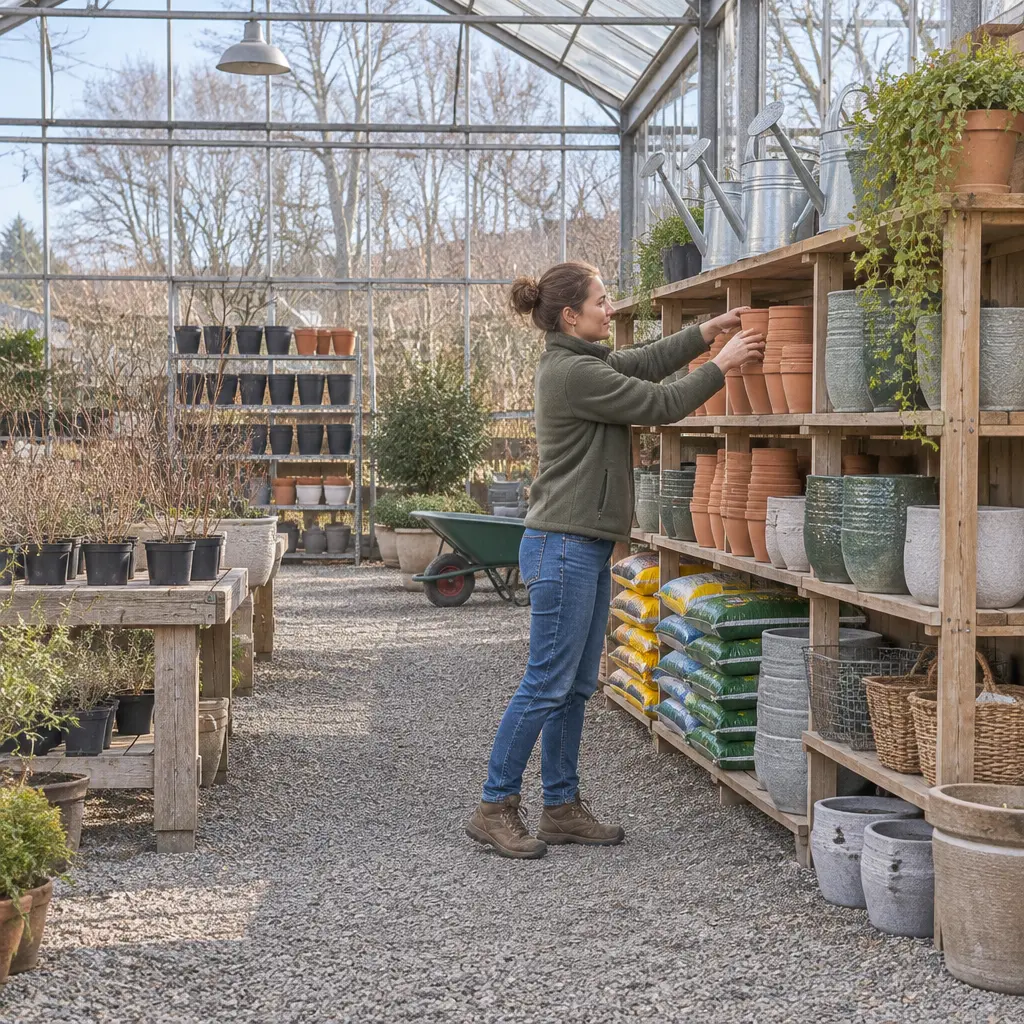
Keeping customers through the off-season means giving them timely, relevant reasons to stay engaged and return when demand picks up. For seasonal businesses, that can involve customer retention programs, targeted communication, flexible offers, and useful year-round services—not simply discounting. The stakes are significant: Bain & Company has reported that a 5% increase in customer retention […]
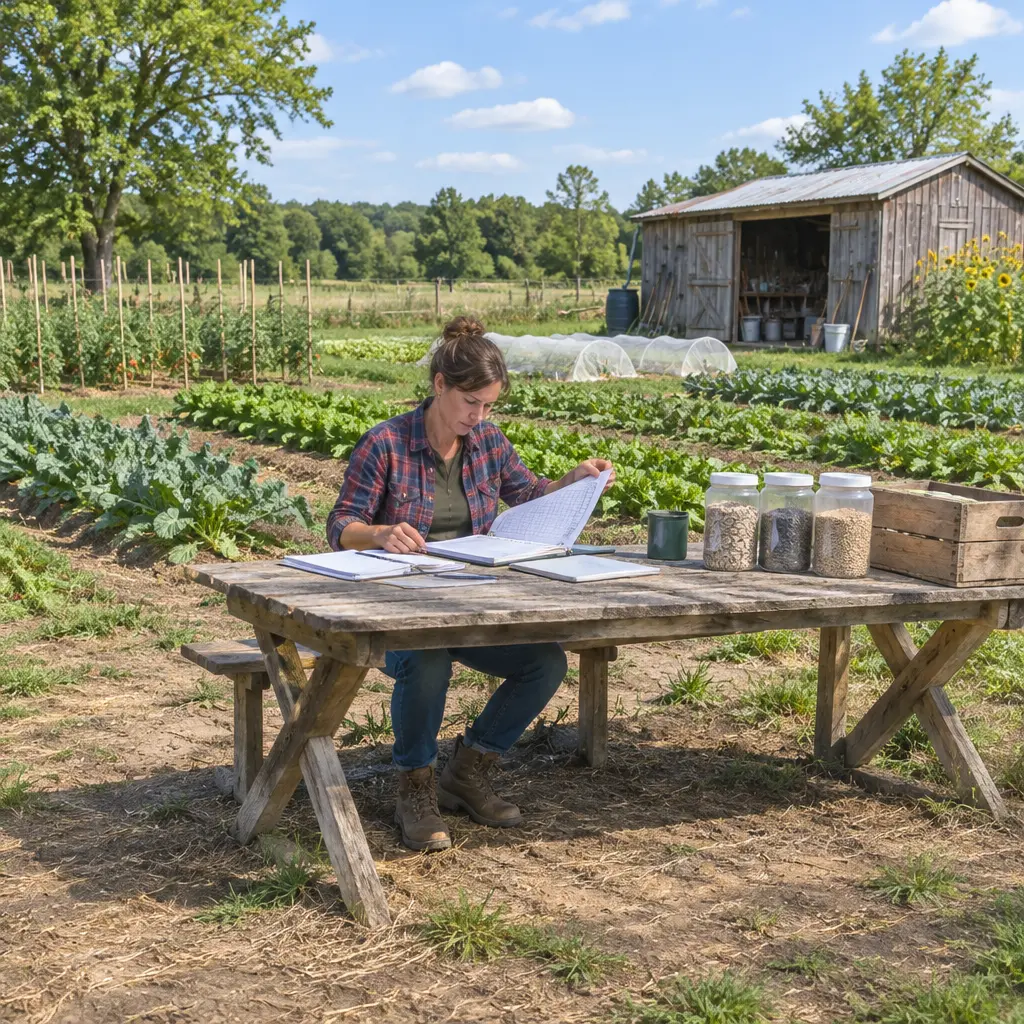
The Real Cost of Going Certified Organic for a Small Farm
Organic certification is a regulated verification process that lets a farm sell products as “organic” under the U.S. Department of Agriculture’s National Organic Program (NOP). For a small farm, the real cost is more than the certification fee: it can include inspection, recordkeeping, approved inputs, changes to production and handling, and the time needed to […]
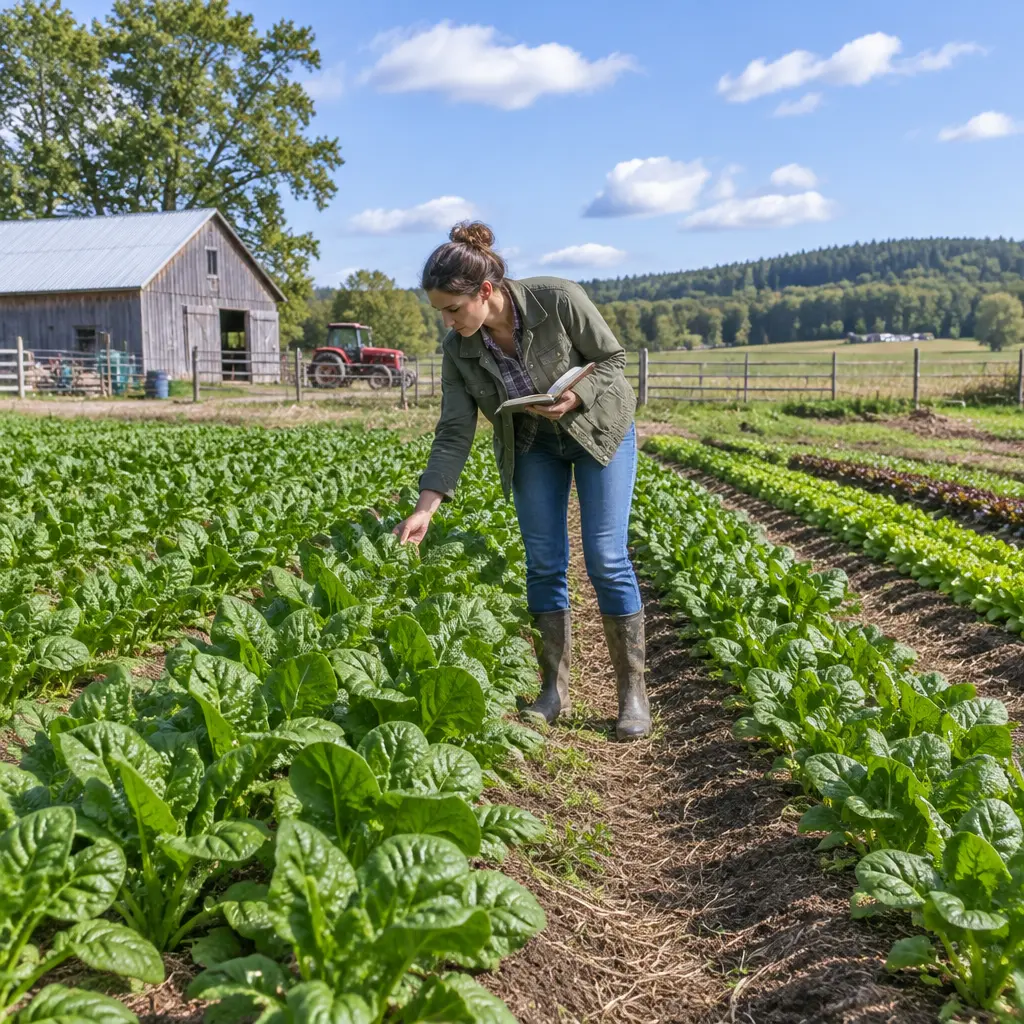
The Difference Between Certified Organic and Naturally Grown
Certified organic and naturally grown both describe farming practices that limit certain synthetic inputs, but they are not interchangeable labels. In the United States, “organic” is a regulated federal certification under the USDA National Organic Program (NOP), with defined production, handling, recordkeeping, and inspection requirements. “Naturally grown” has no single nationwide legal definition for food; […]
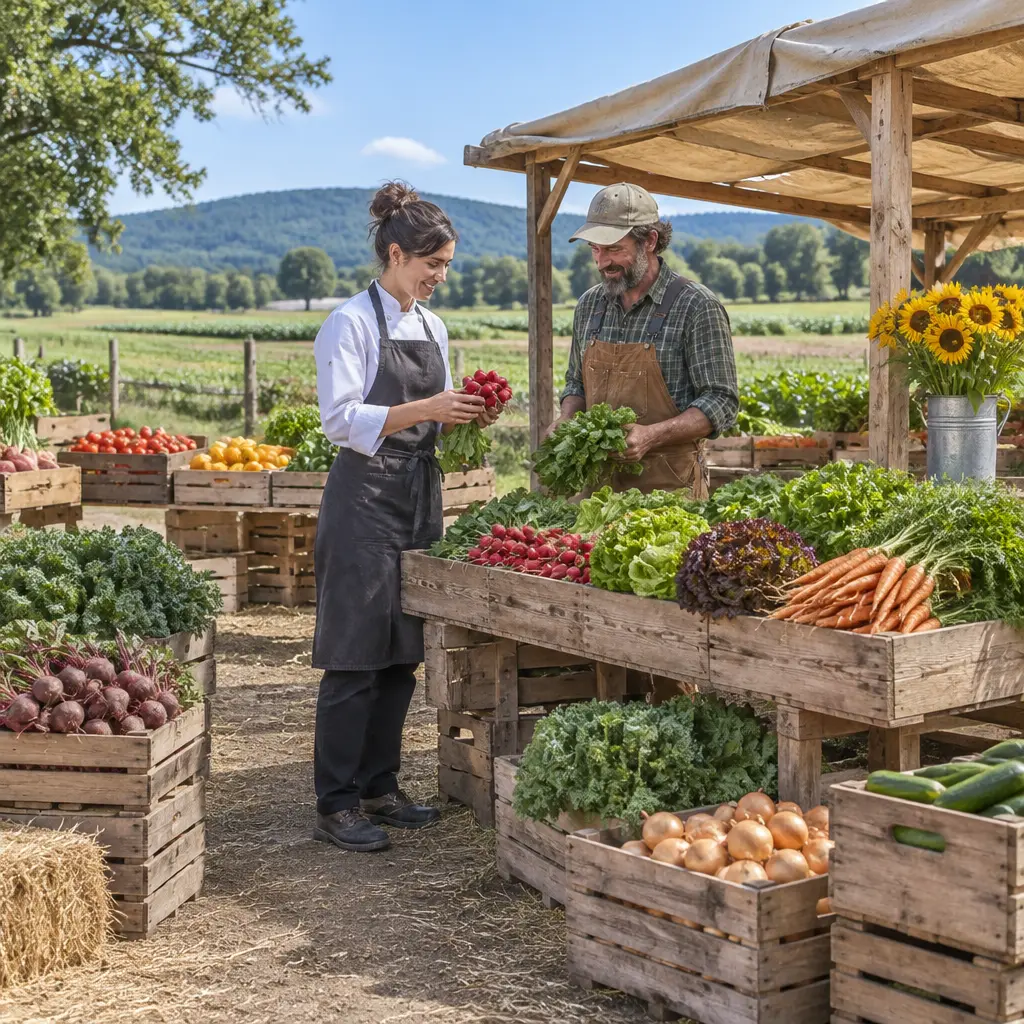
What Chefs Look for When Sourcing from Small Producers
Small-producer sourcing is the practice of buying food directly or through short supply chains from independent farms, ranches, fisheries, and makers. Chefs look beyond flavor: they assess consistency, safety, availability, price, delivery, and the producer’s ability to communicate and build a dependable relationship. The USDA’s 2022 Census of Agriculture counted about 1.9 million U.S. farms, […]
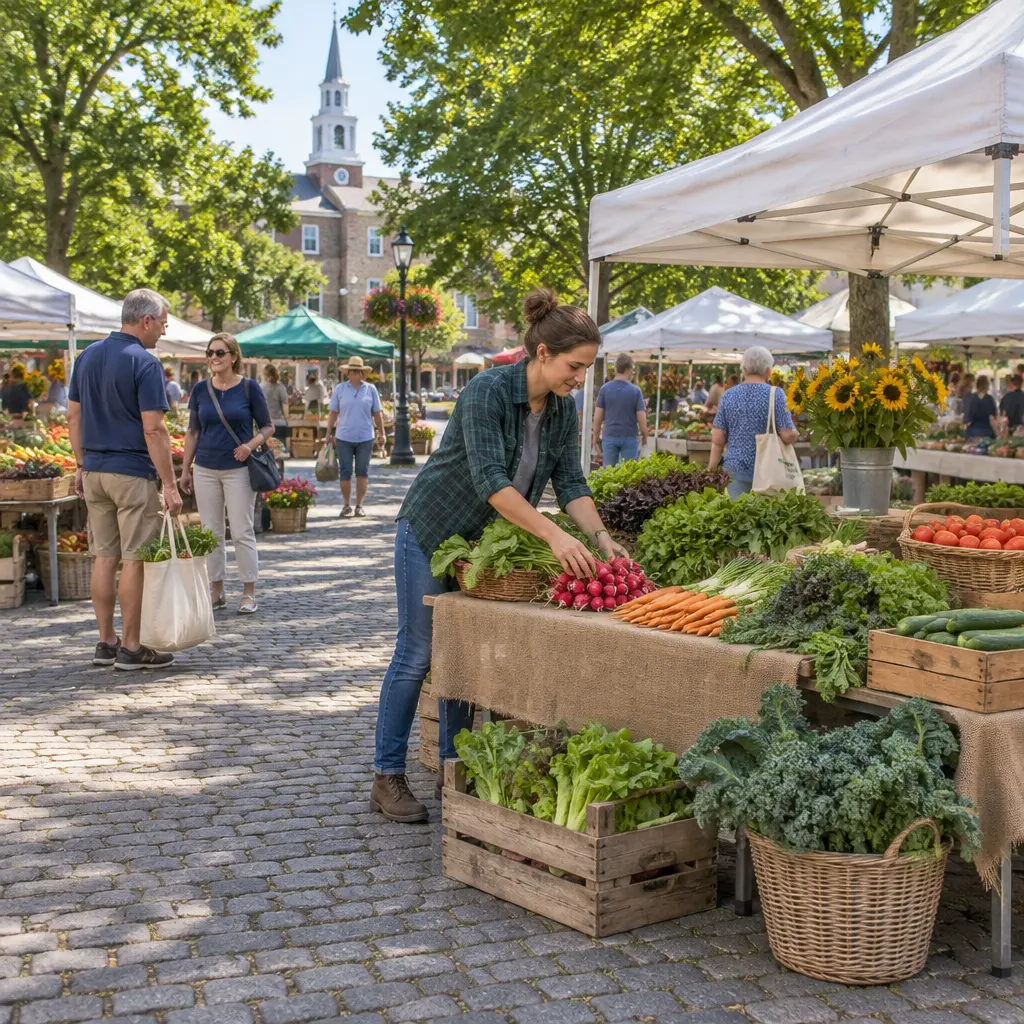
How Supporting Local Producers Strengthens Rural Economies
Supporting local producers means buying goods and services from farms, food makers, artisans, and other businesses rooted in a community. When rural residents, institutions, and visitors spend money with these businesses, more of that spending can circulate locally, supporting jobs, supplier relationships, and community services. The U.S. Department of Agriculture’s 2022 Census of Agriculture counted […]
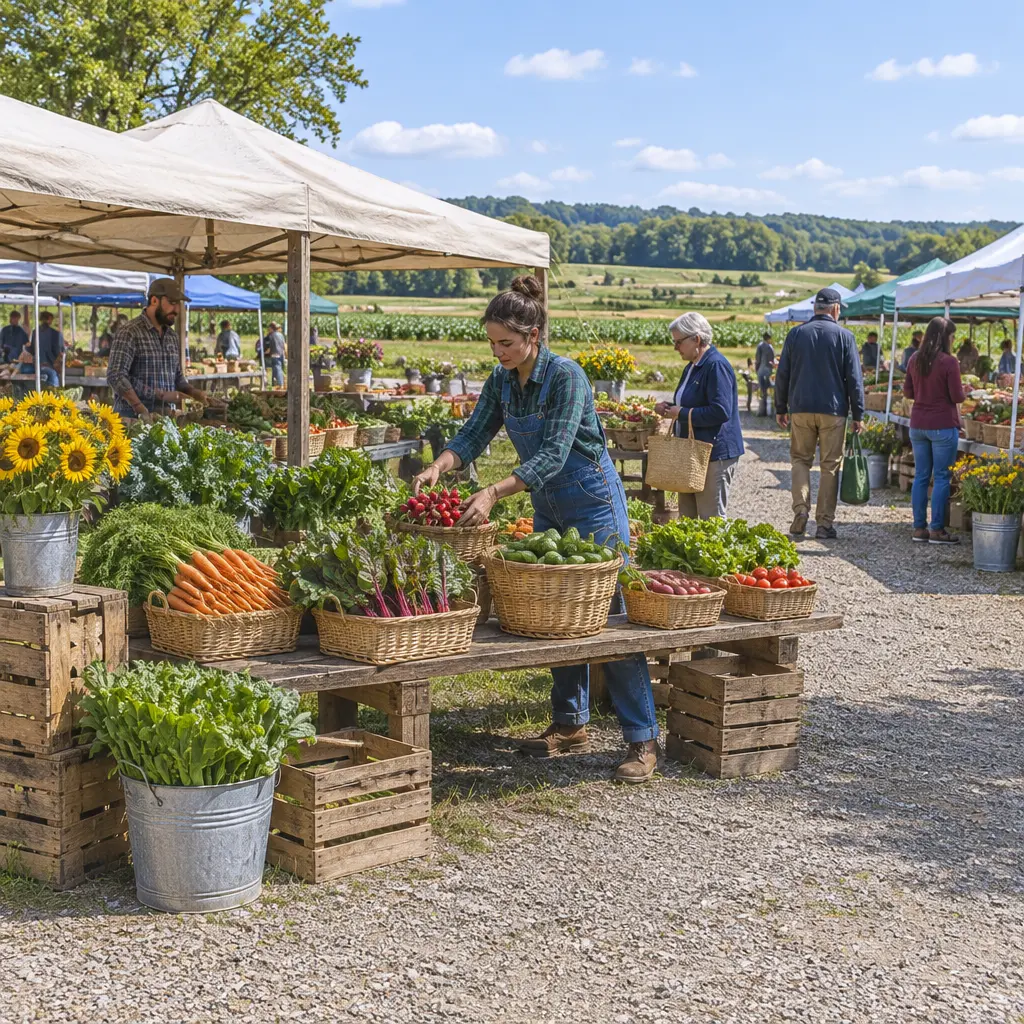
How Every Dollar Spent with a Small Grower Circulates Locally
A small grower is a locally rooted farm or food producer whose purchases, wages, and sales can connect nearby businesses and households. When you buy directly from one, your dollar does not necessarily stay entirely in the community, but it can circulate through local labor, suppliers, services, and follow-on spending. The USDA’s 2022 Census of […]
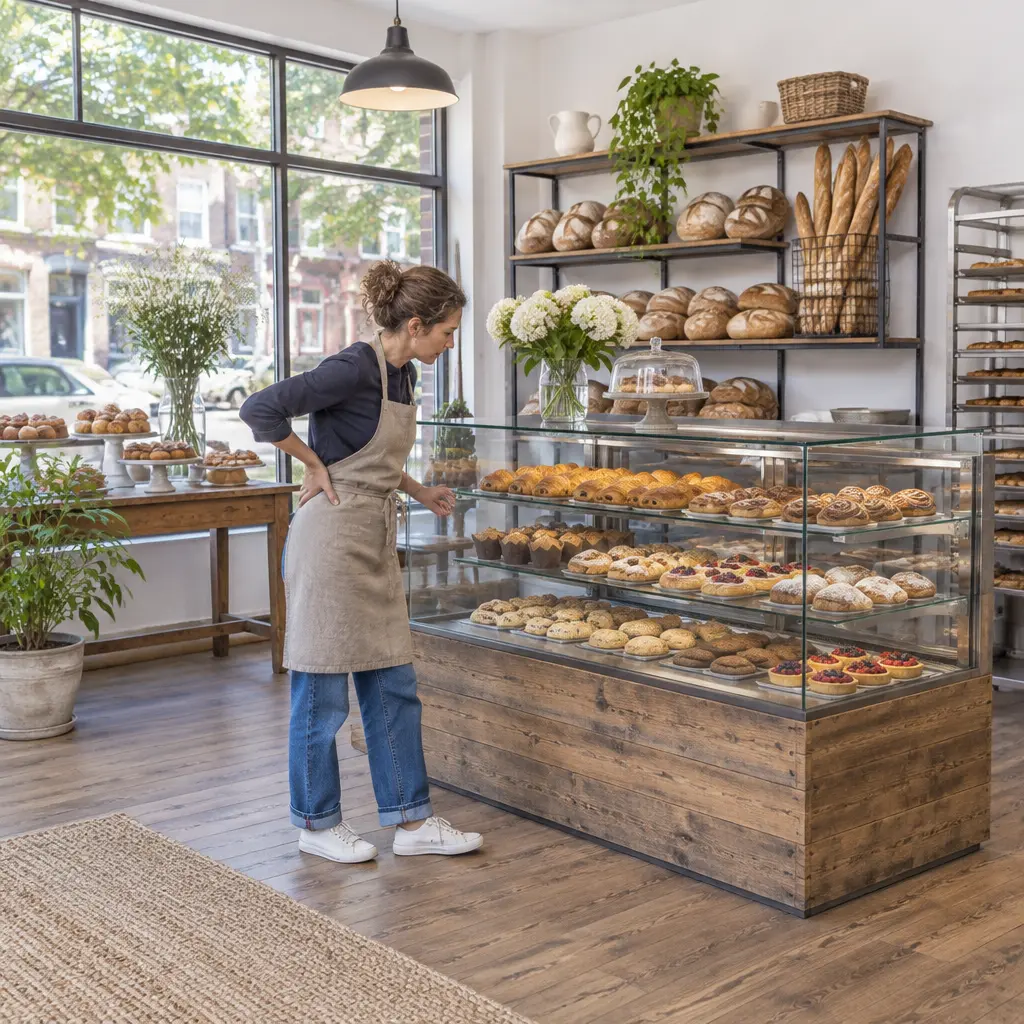
Building a Loyal Customer Base for a Small Food Business
Customer loyalty is the ongoing preference customers show for a business, expressed through repeat visits, recommendations, and willingness to choose it over alternatives. For a small food business, building that loyalty means reliably delivering good food and service, making the experience easy and personal, and giving customers reasons to return. The National Restaurant Association reported […]
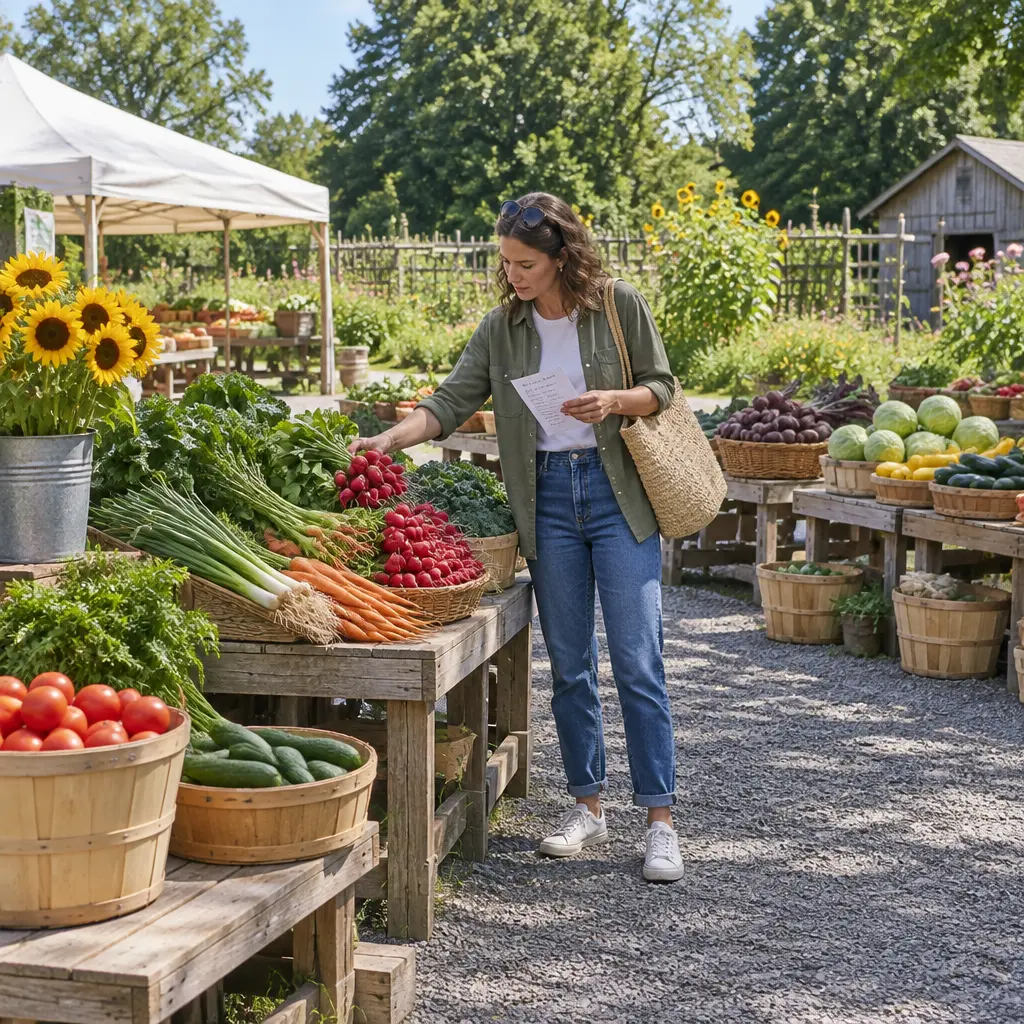
How to Compare Prices Between Supermarkets and Local Growers
Comparing supermarket prices with local-grower prices means looking beyond the number on a shelf or farm-stand sign: shoppers need to compare the same quantity and edible product, account for travel and storage, and weigh freshness, seasonality, and production practices. The U.S. Department of Agriculture’s 2022 Census of Agriculture counted 116,617 farms selling directly to consumers, […]
What Governments Can Do to Support Small Local Food Producers
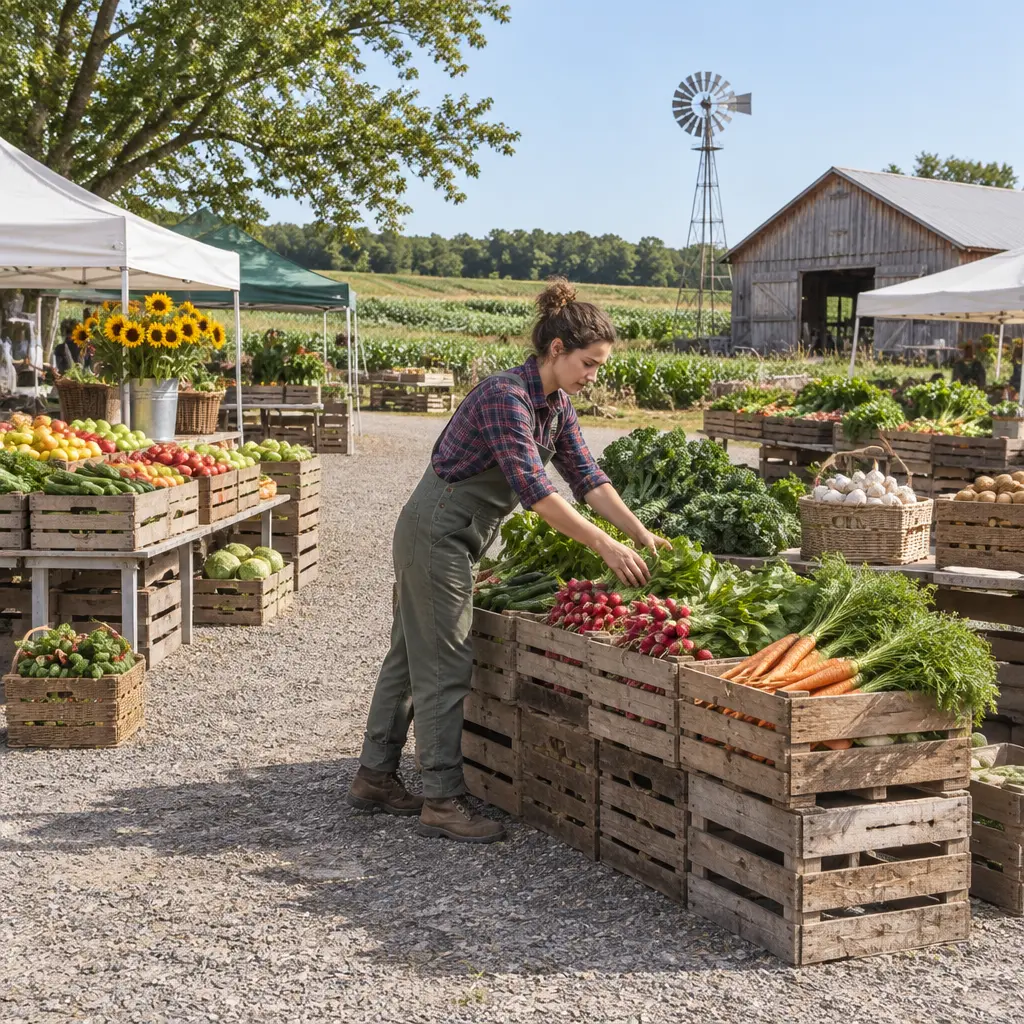
Small local food producers—such as family farms, ranches, fishers, food processors, and community-based businesses—grow, harvest, or make food for nearby markets. Governments can support them by improving access to land and finance, investing in infrastructure, simplifying regulations, strengthening local purchasing, and funding training and climate resilience. The need is substantial: the U.S. Department of Agriculture’s […]
How to Buy Directly from a Farm: A Beginner’s Guide to Local Food Producers
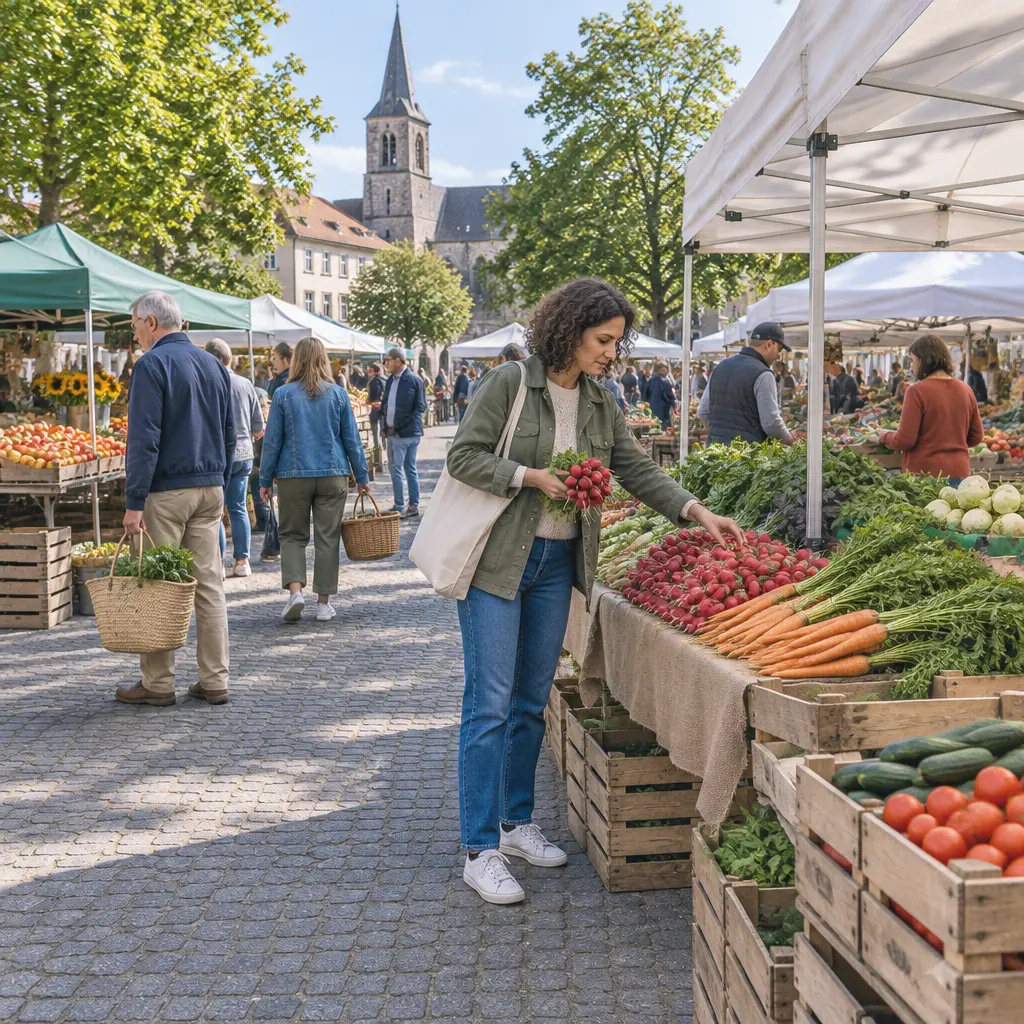
Buying directly from a farm means purchasing food from the producer rather than relying solely on a supermarket or other conventional retailer. For beginners, it can be as simple as visiting a farmers market, ordering a seasonal box, or arranging a farm pickup. The U.S. Department of Agriculture (USDA) counted 116,617 farms selling directly to […]